
The Minnesota State Fair Effect on Real Estate
- Zenvos Media
- Aug 25
- 2 min read


The 2026 Minnesota State Fair runs August 27 through September 7. For 12 days, hundreds of thousands of people flood the fairgrounds in Falcon Heights and the surrounding St. Paul neighborhoods (especially Como). Traffic snarls major roads, parking becomes scarce and expensive, and residential streets near the fairgrounds turn into temporary lots.
This has practical consequences for real estate:
Access and logistics: Photographers and realtors working near the fairgrounds face longer travel times, limited street parking, and potential delays getting to properties. Open houses in these neighborhoods can be disrupted by congestion and fair-related noise.
Seller and buyer focus: Many local residents are either working the fair, attending it, or dealing with neighborhood impacts (traffic, temporary parking programs, noise). Home preparation and showings take a back seat for some.
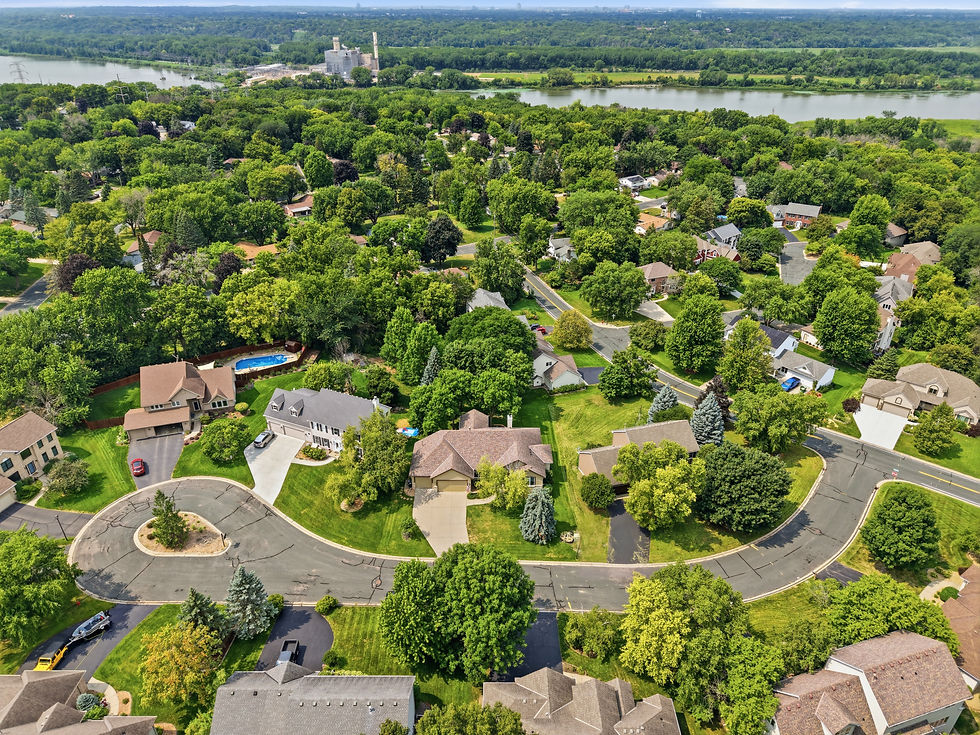
Visual presentation: Late-summer greenery is still strong, but crowded streets and temporary signage or parked cars can complicate exterior and neighborhood shots if not carefully managed.
While the fair itself doesn’t tank the broader Twin Cities market, it creates a localized disruption that smart agents and photographers plan around.
How These Events Affect Realtors
Realtors experience a dual pressure. Motivated family buyers are still active in the final push before school fully settles, but once classes begin and the fair wraps, overall traffic typically declines. Inventory that comes on the market in early September may take longer to sell, and price expectations sometimes need adjustment.
Successful agents respond by:
Prioritizing photography and marketing for listings that can go live before or during the fair window.
Emphasizing school district information in materials — a key driver for a large share of buyers (especially those aged 25–43).
Setting realistic expectations with sellers about potential slower fall activity.
Using virtual tours, drone footage, and strong digital marketing to keep interest high when in-person access is constrained.
Targeting non-family buyers (first-time buyers, empty-nesters, investors) who are less tied to the school calendar.
Practical Tips for Photographers and Agents
Book early and communicate clearly. Schedule photo shoots well ahead of the fair and school starts. Confirm access windows and prepare sellers for the need to declutter and stage despite busy family schedules.
Optimize for the season. Late August still offers good natural light and outdoor appeal. Capture decks, yards, and neighborhood features while greenery is full. Plan twilight exterior shots when possible — they create emotional, high-impact hero images. As September progresses, lean into the transition toward fall color where available.
Work around traffic. For properties near the fairgrounds, schedule morning shoots before peak fair traffic or coordinate with sellers on the best access routes. Have backup plans and allow extra travel time.
Leverage digital tools. High-quality virtual tours, floor plans, and video walkthroughs become especially valuable when physical showings are harder to schedule or when buyers are focused on school logistics.
Highlight lifestyle and schools. Photography and listing descriptions should clearly show proximity to strong schools, parks, and community amenities. Buyers evaluating homes during this season are often thinking long-term about daily life, not just the house itself.
Manage the post-Labor Day shift. Once the fair ends and school is fully underway, inventory that is well-photographed and competitively priced can stand out in a quieter market. Use the slower period to nurture leads and prepare for the next wave of activity.

Comments